You might think that a writer is someone who produces words, squeezing them out in grammatically correct sentences, on demand, like sausages in a factory…
But you’d be wrong.
A good writer is someone who feels things.
Someone who knows how to distill the truth from a world of misinformation.
Someone who can explain complex ideas in the most concise way possible, without losing the core meaning.
Someone who can pull out the human qualities in a topic and bring the whole thing to life for your audience.
Someone who can take a string of facts and turn it into a story that moves you and makes you, the reader, feel something.

How AI has changed the writing landscape
Since the invention of ChatGPT and the myriad other generative AI tools, there seems to be a consensus, especially in the business world, that writing is the sausage factory. A procedure to churn out words that tickle the fancy of the latest algorithm. A process, not an art form. A workaday thing like any other kind of admin.
As such, our appreciation of a good writer has been diminished. Armed with our AI tool of choice, we believe that any of us can produce ‘great copy’.
Some may even feel that they’ve pulled away the curtain to reveal that the wizard is, in fact, just a fallible human, typing out words on demand. That anyone could do this with the AI tools we all have at our disposal.
But this misses the point that I made above:
A good writer is not a producer of words, but a storyteller and a distiller of ideas.
A creator, not an administrator.

AI is not the problem: it’s a helpful tool for many
To be clear, this doesn’t mean that AI can’t be part of a good writing process. There’s no putting the AI cat back into the bag now. Generative AI software can be a huge boost to the writing and research process, when used responsibly.
But – and this is a fundamental truth for the business world to swallow – a generative AI app is not a wholesale replacement for an experienced human writer.
To use that tired vernacular of influencers and social media,
Let…That…Sink…In!

AI produces a rough sketch, not a masterpiece
As the CEO, marketing manager or sole trader you CAN sit in front of your laptop and type in the prompt ‘Write me a 1,000-word blog post to highlight the top 5 trends in my industry’. And you’ll get the thousand words of copy you asked for.
It will be grammatically correct (usually), it will be spelt correctly (as long as you want US English) and it will contain five trends that other people have already written about on the internet, with their combined insight copied, reworded, repackaged and neatly laid out in new sentences.
But will it have any unique viewpoints that mirror your own?
- Will it give any true insights that are specific to your own business?
- Will it reflect your own personal tone and style, or your approved brand style?
- Will it stand out from the million other articles AI has generated today?
The answer to all those questions is a resounding ‘No!’.
What you get is serviceable. It’s usable. However, it has no single unique characteristic that makes it *your* article.
It lacks personality. It lacks humanity. And it’s exactly like your competitors’ AI generated content.

Pairing an experienced writer with AI tools is the dream
Rather than cut and pasting your pre-made AI article into your content management system, stop and give it a read. Would you want to read this? Does it sound interesting? Are you customers going to learn anything?
Rather than using the raw AI output, what you *could* do is call that human writer and ask them to remove the dross and add back in the personality.
And here’s my key points: if you want truly great content, advertising, social media posts and email copy, you…need…that…human…writer!
AI copy is the starting point, not the final article
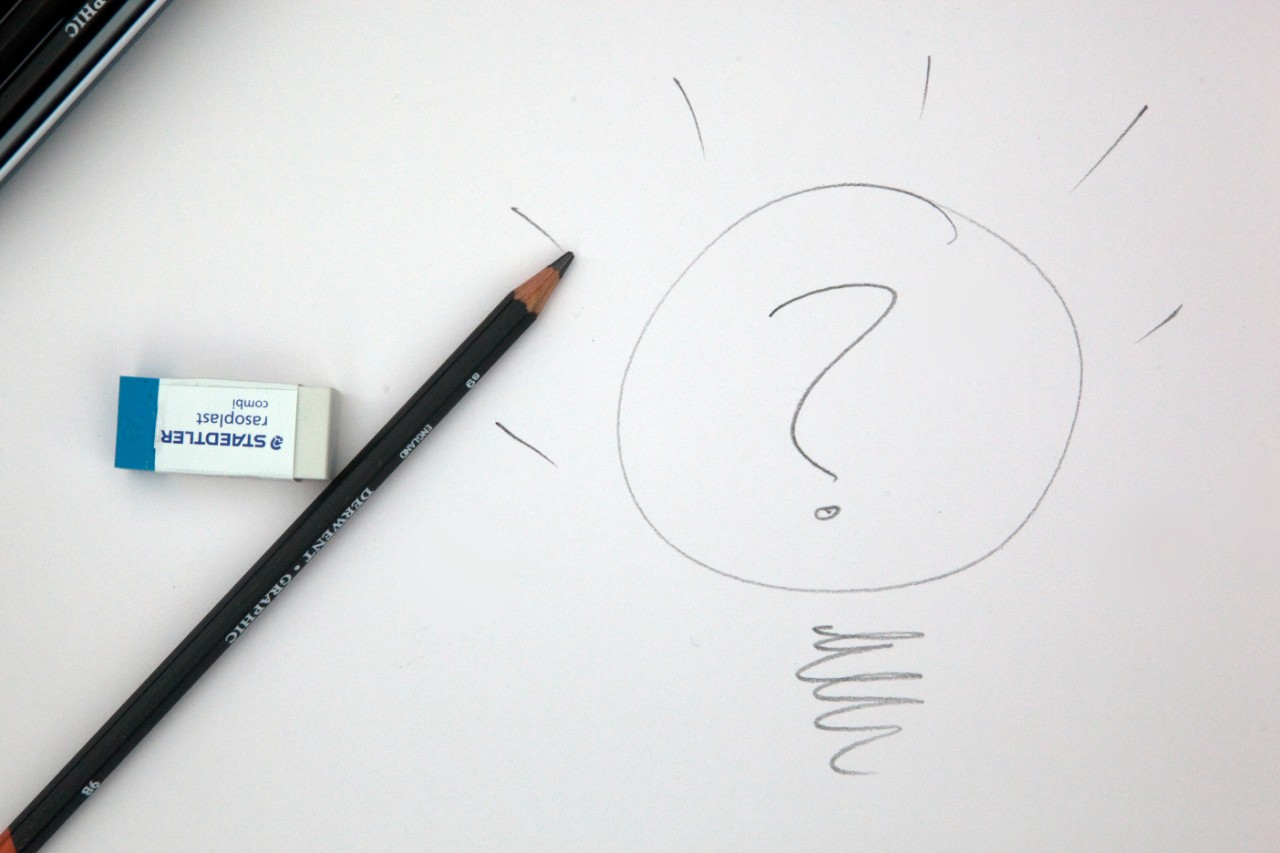
Think of the output from your AI app as a blueprint. A rough sketch. An outline that gives you a basic structure, ripe to be tailored, customised and refined.
It’s a starting point, not an end point.
AI allows us to remove that moment of terror where you stare at a blank page in Word and wonder ‘what the hell shall I write about?’. Doing some research and preparatory work with AI is actually a brilliant way to get started. You get your rough sketch incredibly quickly, speeding up the content production process.
But we have to accept that this initial AI output is just this: a sketch that needs human intervention to become a true masterpiece.
- It needs fleshing out
- It need the key facts (claims) to be fact-checked
- It needs sources for stats and quotes
- It needs a human rhythm to the writing
- It needs some of your brands personality
In short, it needs a good writer to polish the turd!
Why humans and tech need to work in harmony
The history of technology is a timeline of innovative tech engineers and developers telling us ‘Yeah, that role is redundant now. The machine can do it’.
But if you look at the reality, it’s rarely that simple. What happens is that the old guard learn the new tech and redefine their role within their chosen specialism.
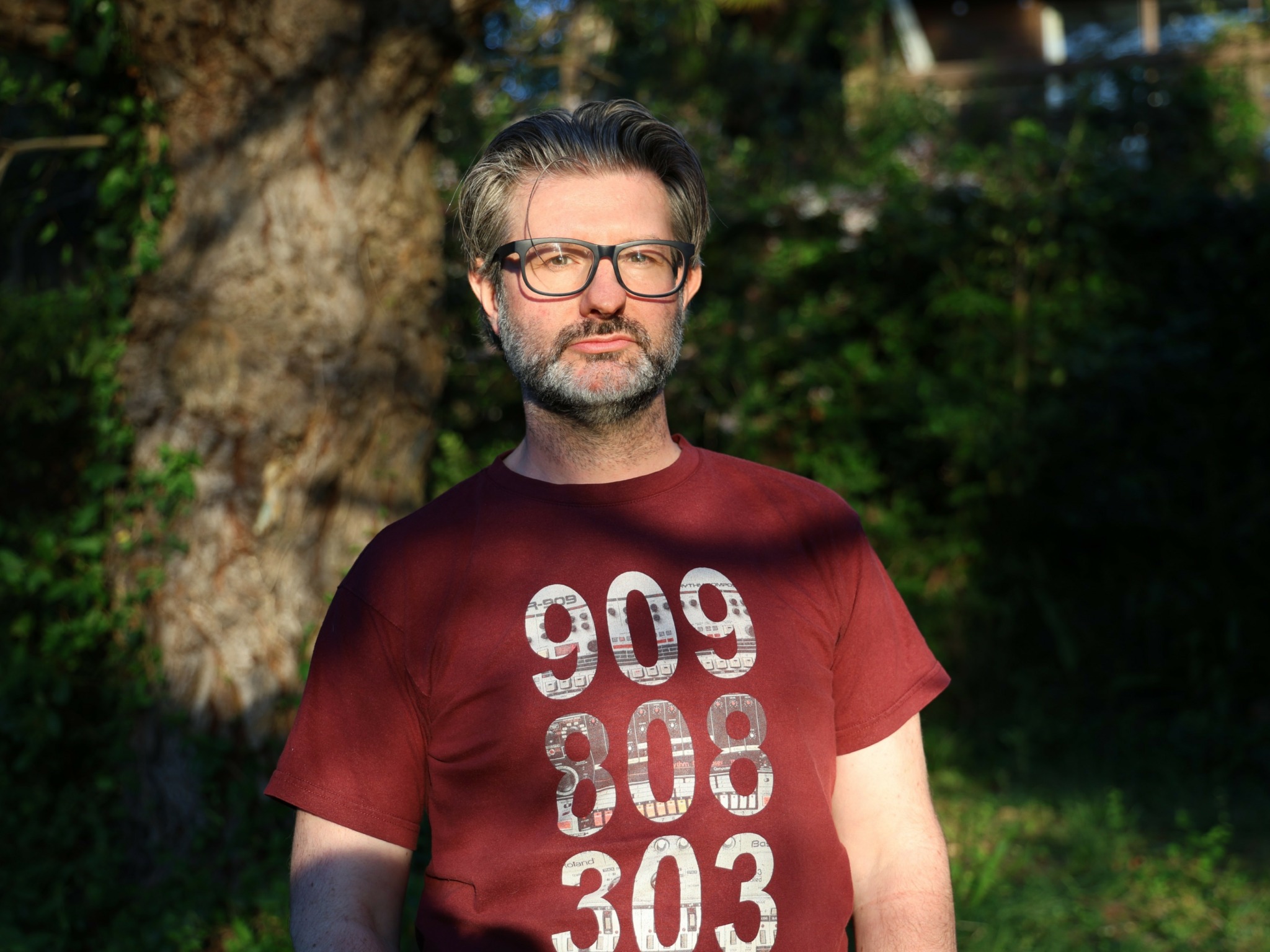
Here’s a good example of this. I’m a music producer in my spare time and have been using music technology since the 1980s. When drum machines were first invented, the clarion cry was ‘Forget about that lazy drummer who’s never on time. The machine can do it better, quicker and without having to lug all the drum cases out of a Ford Transit’.
But what *actually* happened is that drummers – people with an innate sense of groove and rhythm – took the drum machines and started making amazing music with this new tool.
Why is Blue Monday by New Order such a club classic? Because it uses an Oberheim DMX drum machine programmed by a real, human drummer – the majestic and metronomic Stephen Morris, a man who started with a drum kit, embraced technology and made it part of the overall sound of his rhythms and New Order as a band.
In short, the best person to program a rhythm is someone who specialises in rhythm.
And, equally, the best person to write a piece of content is someone who specialises in writing.
Human expertise still counts in the AI age
Expertise, knowledge and human ability do actually count (sorry, tech bros!). And when you combine them with the latest software and hardware tools, what you get is something more than the sum of these two parts.
You create something unique, human and exciting. Rather than something dull, pedestrian and predictable.
The person who should be in charge of those generative AI tools – the expert guiding the narrative and removing the vanilla descriptions to inject real life, zeal and humanity back into the content – should be a writer (and definitely not an inexperienced, time-poor marketing executive who’s not a specialist in content).
Let me add some humanity to your writing.
If you’re after warm, human writing for your content, but realise the part that AI efficiency can play in the process, come and talk to me at CommsBreakdown.
I have a decade and a half’s experience of writing copy for some of the world’s biggest businesses, including PwC, Xero and iwoca. I know how to tell a great story. But I also know how to dive into Google Gemini or Claude AI to speed up the research and content structuring process. Let’s say that I’m the Stephen Morris of copy…
Get in touch and let’s talk about content.

How To Write Killer Content For Your Startup
If your budget doesn’t cover hiring an outsourced writer, there are ways to improve you own content-writing skills, so you can guide your AI tools in the right direction.
How To Write Killer Content For Your Startup is your 101 guide to learning the basics of great content writing, from understanding your customer, to tailoring your writing to their needs.

 CommsBreakdown