What’s life all about, when you break it down? We’re born, we grow up, we have fun, we build relationships, we take on responsibilities, we get older and we die. That might sound rather stark, but that’s the TL;DR version of human existence. Life, however, is SO much more than this rather cold summary. It misses out so much of the joy, laughter, love, personal achievements and experiences we have along the way.
If we’re lucky, then the ‘having fun and building relationships’ part makes up a large chunk of our lives. We get to travel, fall in love, create art, enjoy a favourite song, build a home or win a trophy. We make friends, we find a soulmate and we remain close to our families. At least, those are some of the goals we might aim towards.
But however much our life is packed with amazing experiences, the cycle of life is finite. Our lives will come to an end one day and that’s a tough reality to get our heads around.
So, what is the deeper meaning of life? And what can we do to deal with the loss of a loved one when they shuffle off this mortal coil?

Facing the reality of a terminal diagnosis
My dad passed away on 13 June 2024 at the age of 79, after two years of living with terminal cancer. He’d been gradually declining for the past year, so thoughts of life, death and mortality have never been far from my thoughts during this period.
When you find out that your loved one only has a matter of months left, that’s an extremely difficult thing to process – especially when that person is your parent. But it’s nothing compared to how the person affected must feel. I can’t really begin to imagine the shock, fear and remorse you must feel when you know the sand is about to run out in your life’s egg timer.
My dad was not a man who pondered life’s existential questions. He was happier watching football, getting involved in amateur dramatics and being on the winning team at the local charity quiz night. But I think he must have thought about death a LOT over the course of the two years between his terminal diagnosis and his eventual passing.
I say ‘I think’ because my dad was of a generation that didn’t really talk about emotions or the big existential questions. He just got on with life, one day at a time, gradually getting sicker, weaker and less mobile as he got closer to the end. He never talked about what might happen after he passed. He never expressed any fear or regrets. He didn’t have a religious epiphany. And he didn’t talk much about the inevitable end.
I’m sure that was his way of dealing with the enormity of the situation. If he ignored Death and his lethal scythe then maybe, just maybe, the skeletal reaper man wouldn’t catch up with him. Sheer bloody-mindedness got him through two years of oral chemotheray and cutting-edge immunotherapy, along with chronic joint pain, full-body rashes and the agony of bone cancers thrown into the mix, and the presence of pre-existing Type 2 diabetes to add into the mix,
I’m not saying that ignoring a terminal diagnosis is a good idea. Far from it. I’d much rather he’d come to terms with the reality of it, and had managed to make his peace with it. And maybe, in his final days, he did. We’ll never know, as he kept it to himself right until the end.
The point is that people deal with their own inevitable mortality in their own way. Some people will be as stoic as possible, refusing to admit to themselves that their time on Earth is coming to an end. Others may want to talk about the end and what happens for them and the people they leave behind. I’d rather my dad has fallen into the latter camp, but he lived with the cards that he was dealt in the way that worked for him.
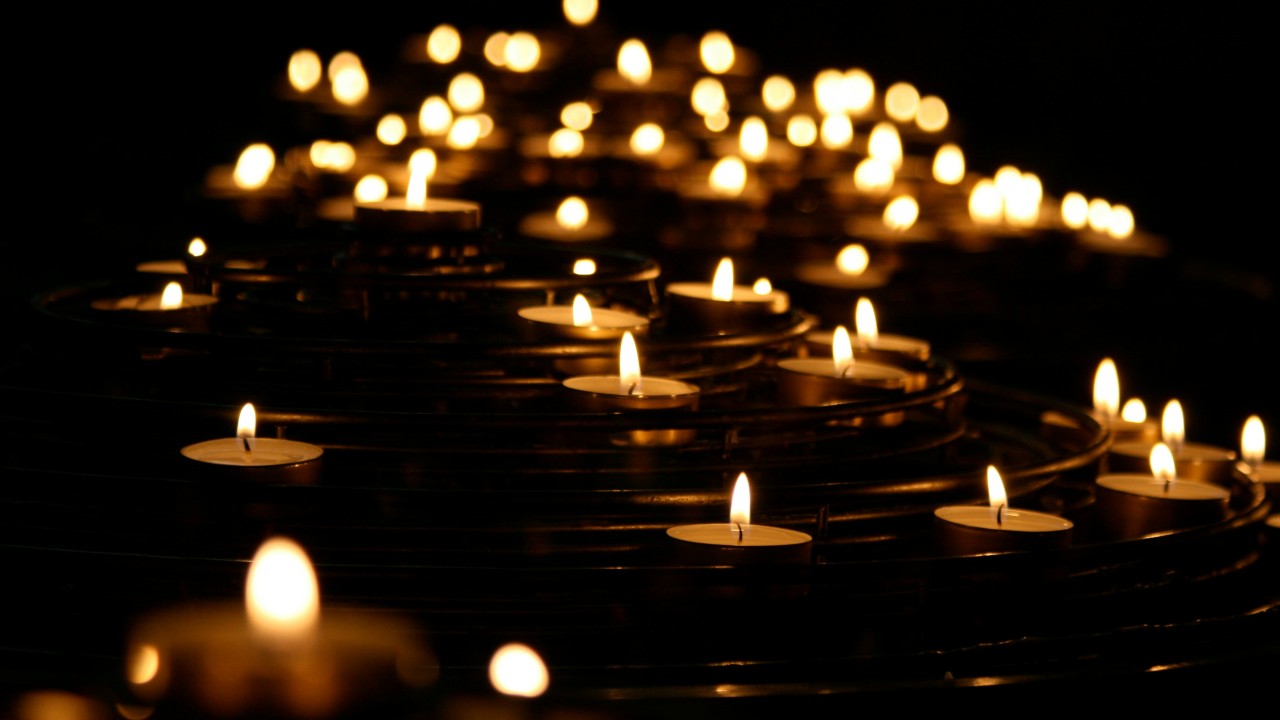
Coping with the loss of a loved one
However prepared you may think you are for the inevitable demise of a loved one, you’re never actually ready. We had months to prepare ourselves for my dad’s passing, but it still knocks you for six when you hear the words ‘he’s gone’ over the phone line.
Some people are foundational in our lives – a parent, your children, your siblings or your closest friends. They are part of the make-up of who we are, the rocks on which we’ve built our existence and the people we count on to always be there. So when someone so special to you dies, it can pull the rug out from underneath you in the most intense and unpredictable ways.
This experience is different for all of us. It depends greatly on HOW you lose this special person. Is it a sudden death that appears out of the blue? Is it a short illness where you had time to say goodbye? Or is it a long and protracted disease that takes months, or even years, to finally take your loved one from you. Each scenario is different, and the impact it has on you, emotionally speaking, will be different too.
I can only speak for my own experience here, but this is how the news of my dad’s passing affected me, personally:
- Denial – despite all the evidence to the contrary, you don’t want to believe that your loved one is dead. It’s so final. So unacceptable. Their death is out of your control and your brain just refuses to accept that such a foundational presence in your life ican be taken away so easily.
- Acceptance – your brain takes a while to accept the reality of the situation; that they are gone and won’t be coming back. But as you begin the process of death certificates and funeral arrangements, the truth of the matter gradually begins to pervade your mind. This really has happened and your loved one has passed. It’s a horrible truth, but a truth that we all must learn to process if we’re to move forward and continue with life.
- Relief – when your loved one has been through a long and drawn out illness, or they’ve been in immense pain or discomfort, there is a sense of relief when that pain finally stops. Obviously, you don’t want to lose them, but you also don’t want them to suffer either. In these scenarios, there is a palpable sense of relief that your loved one doesn’t have to endure any further pain. It’s bittersweet, but it is a release and something you can take solace in.
- Grief – grief is a difficult beast to predict and overwhelming feelings of loss, sadness and despair can hit you at any moment. You may hear a loved one’s favourite song, or find a birthday card they sent you. You might hear a piece of news and want to share it with them, and then realise they’re no longer around to share this moment. Emotionally, we’re not built to just carry on as if nothing has happened. We’ve been wounded and that wound takes time to heal.
- Regret – the finality of losing someone is one of the most difficult things to deal with. And, over time, you may find yourself experiencing feelings of regret. This regret might stem from things you wish you’d said to your loved ones, or from a wish that you’d spent more time with them when they were still alive. You might even get to wondering if there’s anything you could have done to avert their death. I certainly found myself thinking that I could have done more to help my dad stop smoking, and that maybe that might have helped him avoid his cancer. However, on the whole, these feelings of regret are not helpful – for you, your family or anyone affected by your loved one’s death.
Getting on with life
As was noted in a recent episode of Cariad Lloyd’s ‘Griefcast’ podcast, the death of a loved one creates a different world – a world where this special person is absent, but a world where we must learn to accept this absence, honour it and learn to live again.
The way we do this is very much down to our own emotional situation. For some people, it can take years to process the death of a loved one and to get to a point where they can talk about them without breaking down in tears. For others, it will take less time for them to slip back into the usual routines of life, but still with this person held dear in their heart.
There is no right or wrong approach. We cope in the way that works for us and honour our departed loved one in the way that brings us the most comfort and joy.
If you’ve lost someone and would like to feel less alone in your grief, I would strongly recommend listening to some episodes of Griefcast. It’s certainly helped me.
Click here to listen to Griefcast

 CommsBreakdown